Subtotal $0.00

FESY Empowers Youth and Women Entrepreneurs to Transform Rwanda’s Informal Economy | Graduation Ceremony
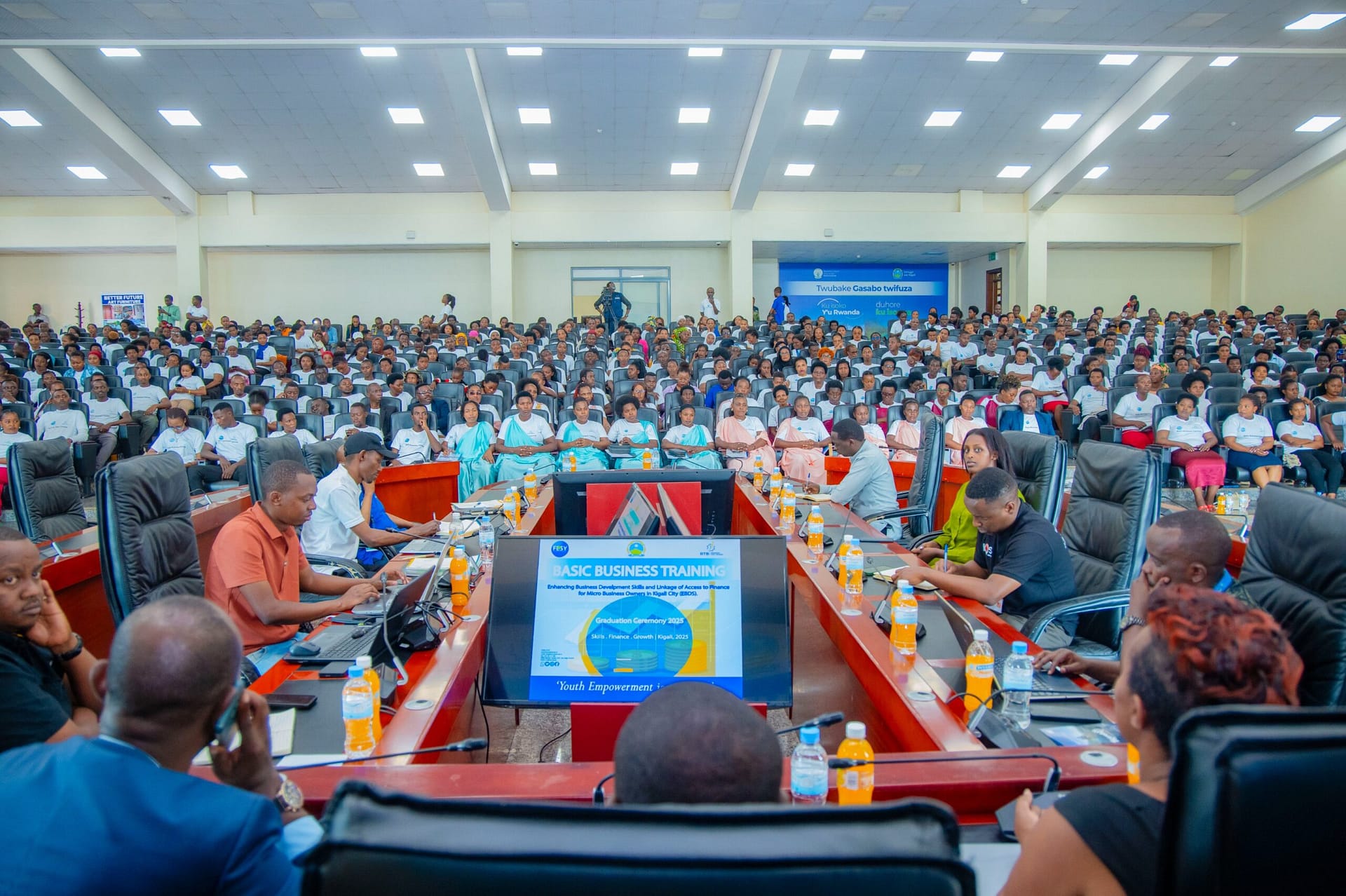
Kigali, September 2025 – At least 700 young informal traders, most of them women, have graduated with certificates in basic business and financial management skills, marking a major milestone in efforts to transform Rwanda’s informal economy.
The graduation ceremony, held on September 12, 2025, was organized by the Friends Effort to Support Youth (FESY) under its flagship project, Enhancing Business Development Skills and Linkage of Access to Finance for Micro-business Owners in the City of Kigali (EBDS-Kigali). The program is funded by the Rwanda TVET Board (RTB) Skills Development Fund (SDF).
Building Pathways From Informality to Growth
For many years, Kigali’s bustling markets have been dominated by young people running small, informal businesses, especially women selling foodstuffs, household items, and basic services. While these businesses are vital for survival, they often remain stuck at a small scale, unable to grow due to lack of business skills, limited access to finance, and weak market linkages.
Through EBDS-Kigali, FESY is changing that story. Over three years, beneficiaries received short-term, market-driven training in record-keeping, financial literacy, customer service, marketing, and access to finance. Graduates now have the tools to expand their businesses, create jobs, and pay taxes.
James Kellon Rwabwera, Executive Director of FESY, highlighted the organization’s mission:
“Our vision is to empower more than 10,000 youth and women-led informal businesses in Kigali over the next three years. These young entrepreneurs have the potential to transform Rwanda’s economy if given the right skills and opportunities. This program is about making sure they move from survival to success, and from informality to becoming taxpaying contributors to national development.”
Supporting Rwanda’s Revenue Strategy
The timing of this initiative aligns with Rwanda’s Medium-Term Revenue Strategy (2024/25–2029/30), which aims to expand the tax base, reduce reliance on foreign aid, and raise Rwf4,105.2 billion in domestic revenues.
By targeting young informal traders, especially women, FESY’s work directly supports the government’s ambition to formalize businesses and fund development priorities under the Second National Strategy for Transformation (NST2).
National Reach and Lasting Impact
FESY’s efforts are part of a wider national drive. Since 2017, at least 9,100 Rwandans have completed similar trainings, while another 70,000 youth are currently enrolled in TVET and business skills programs nationwide. According to RTB, 15,000 trainees will graduate by the end of 2025 through programs implemented by FESY and two other organizations.
But FESY’s unique strength lies in its community-based approach, with a focus on women. Beyond skills training, FESY is creating saving and lending groups, enabling young women entrepreneurs to access credit without traditional collateral. The organization also provides ongoing mentorship, pairing graduates with experienced business leaders.
Women at the Center
Women are at the heart of FESY’s strategy. In Kigali’s informal sector, women represent the majority of vendors and small traders but often face limited access to education, financial services, and business networks. 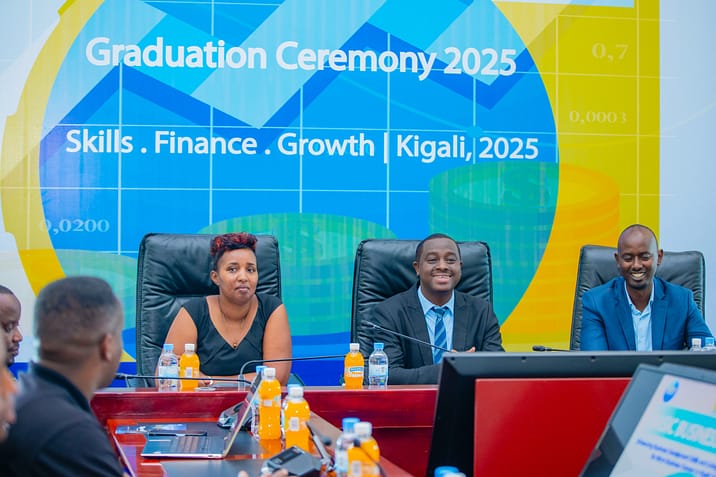
By focusing on women-led businesses, FESY aims not only to boost household incomes but also to strengthen family welfare, children’s education, and community stability.
One graduate, Clarisse Uwimana, who runs a tailoring business in Nyamirambo, shared her story:
“Before this training, I didn’t know how to separate business money from family money. Now I keep records, save regularly, and I am planning to expand by hiring two assistants. This program gave me confidence as a young woman in business.”
Looking Ahead
While the progress is notable, challenges remain. Many graduates cited the need for affordable financing to build their businesses beyond subsistence level. FESY has pledged to continue addressing this by linking trainees to microfinance institutions, savings cooperatives, and mentorship networks.
With Rwanda striving for rapid socio-economic transformation, organizations like FESY are playing a pivotal role in equipping youth and women to drive inclusive growth.
As Executive Director Rwabwera noted, the long-term vision is bold:
“These 700 graduates are only the beginning. We believe that with skills, mentorship, and financing, young Rwandans — especially women — can transform the informal economy into a powerful engine for Rwanda’s development.”