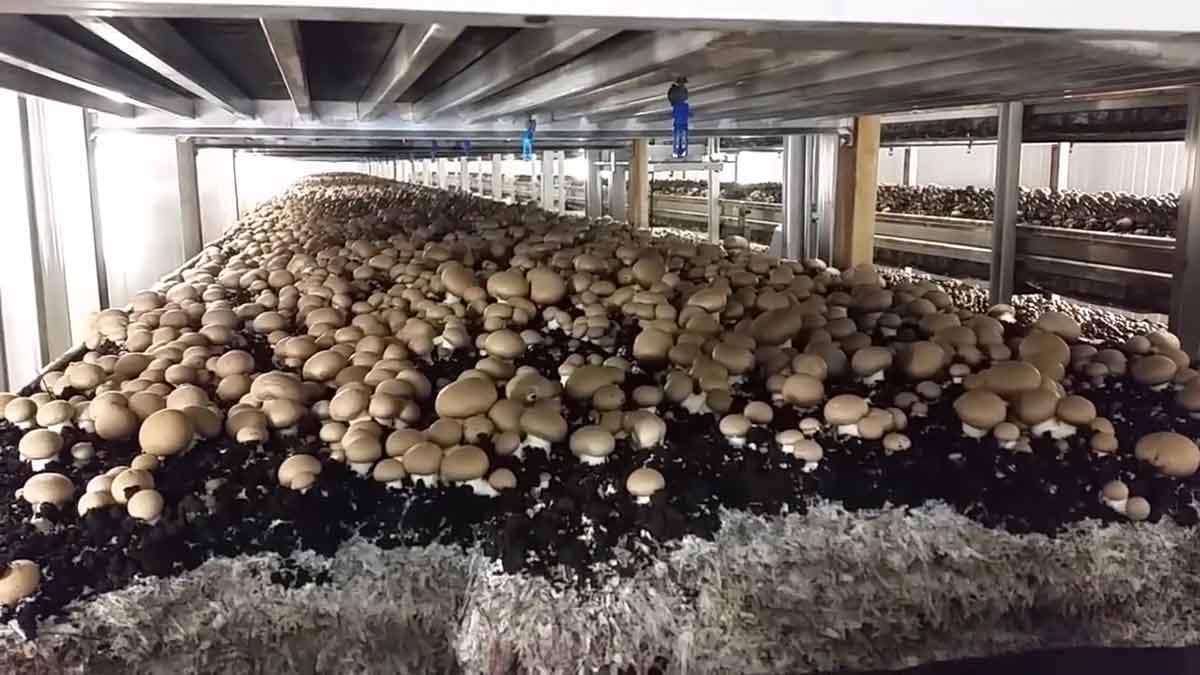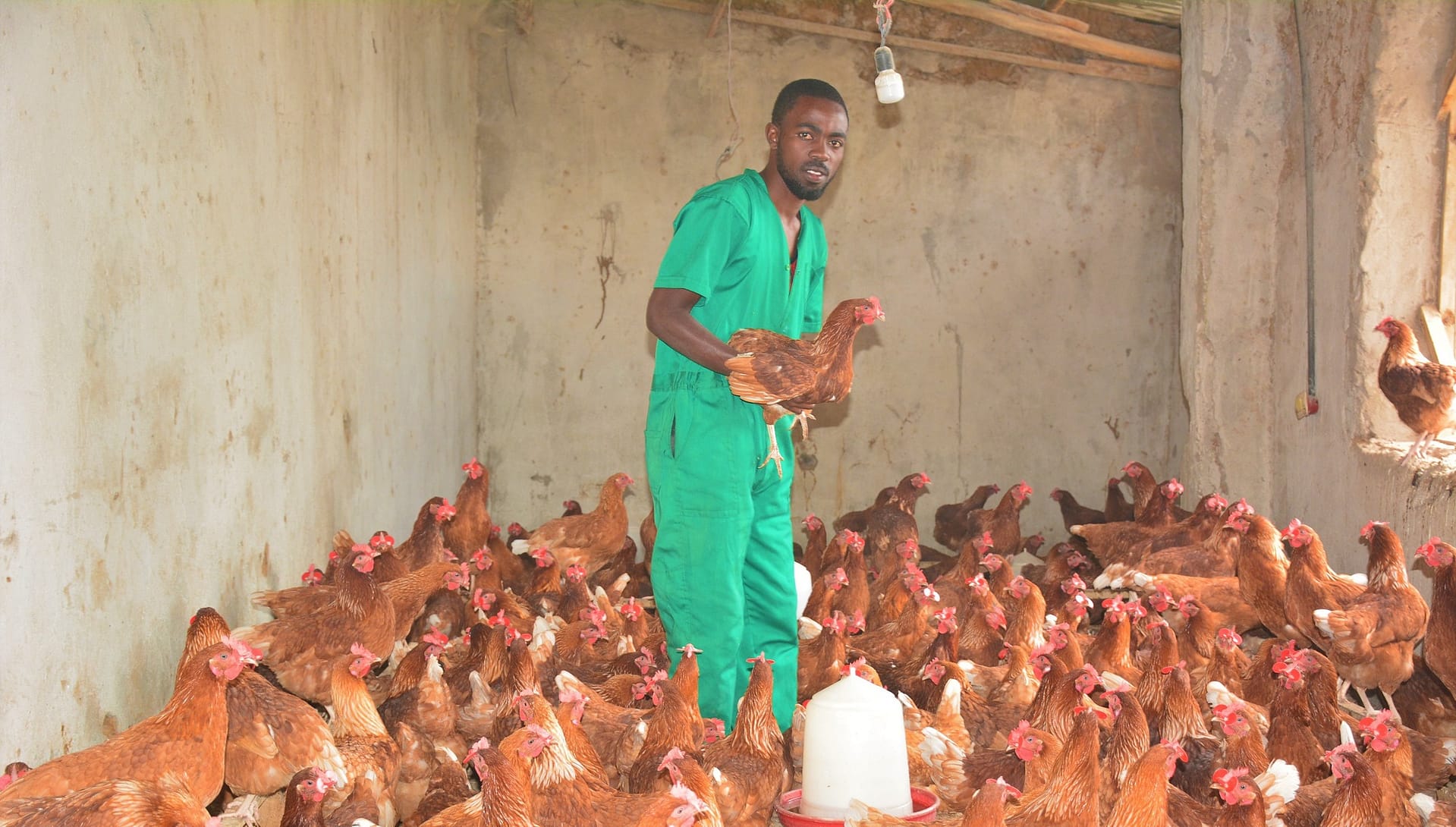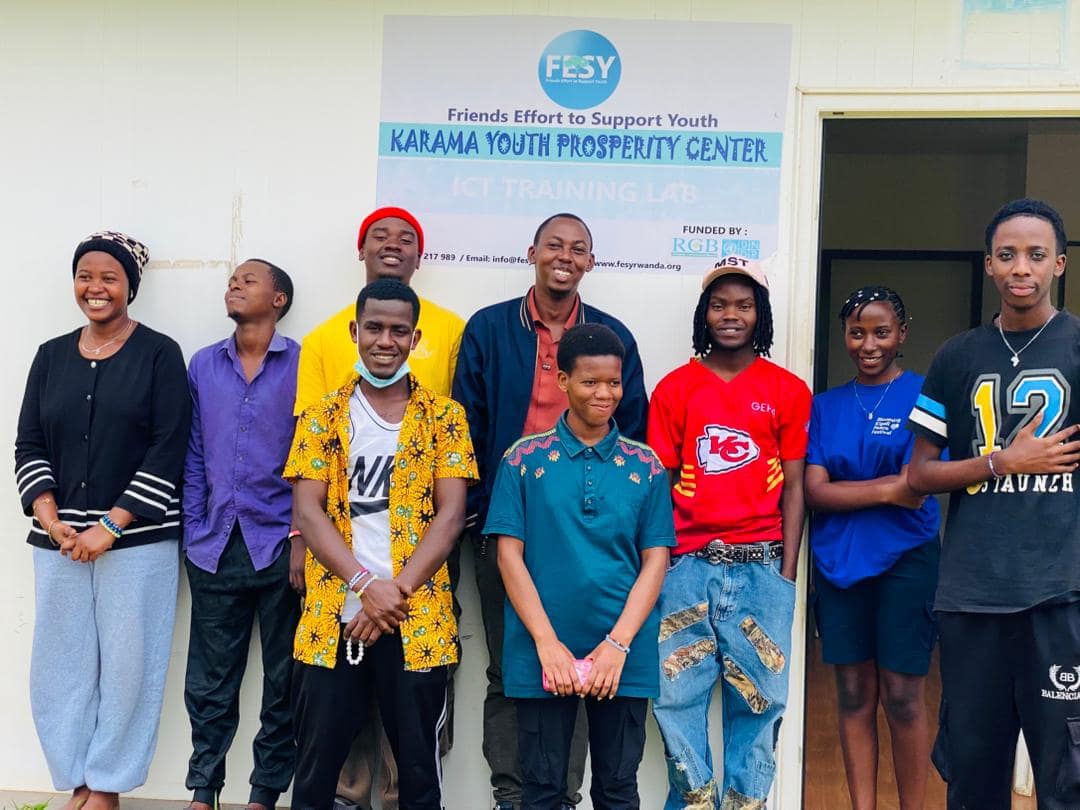
Poultry Farming and Modern Agriculture: Practical training and support in poultry production and modern farming techniques, including mushroom cultivation, and providing startup capital in the form of chickens.
Please add some widget in Offcanvs Sidebar
The Youth Empowerment through Economic and Capacity-building (YATEC) Project is a youth-focused initiative aimed at equipping vulnerable young people with practical skills, psychosocial support, and opportunities for sustainable livelihoods. It targets youth in IDP settlements and underserved communities, particularly in Karama Village, Mageragere IDP Village, and Mimuli Sector in Nyagatare District.
The project provides vocational training in areas such as tailoring, mushroom farming, and digital skills, while also offering psychosocial support to strengthen emotional resilience and social skills. By combining skills development with community engagement, YATEC helps youth become self-reliant, confident, and ready for employment or entrepreneurship. Its ultimate goal is to empower young people to achieve sustainable economic and personal growth.
The YATEC Project is a youth-focused initiative that equips vulnerable young people with practical skills, psychosocial support, and opportunities for sustainable livelihoods. Targeting youth in IDP settlements and underserved communities, it strengthens employability, resilience, and entrepreneurial capacity.
Key Objectives:
Main Interventions:
Poultry Farming and Modern Agriculture: Practical training and support in poultry production and modern farming techniques, including mushroom cultivation, and providing startup capital in the form of chickens.
Impact:
The YETEC Program empowers vulnerable youth through vocational training, psychosocial support, and livelihood preparation.
The Digital Literacy Program under the YETEC Project equips vulnerable young people with essential computer skills, digital confidence, and the ability to access online opportunities. Designed for youth with limited exposure to technology, the program bridges the digital divide and prepares participants for modern employment, entrepreneurship, and lifelong learning.
he Modern Farming Program under the YETEC Project empowers vulnerable youth with practical, market-oriented agricultural skills that support food security and income generation. Through hands-on training in mushroom production, and modern agricultural techniques, the program equips participants with the knowledge and tools to build profitable agribusiness ventures.
The Poultry Farming Program under the YETEC Project focuses on empowering youth and vulnerable households in Mimuli Sector, Nyagatare District with modern poultry farming skills and resources. This program is designed to build sustainable livelihoods, improve nutrition, and support income generation for families in rural communities.
The Psychosocial Support Program under the YATEC Project focuses on improving the mental health, emotional resilience, and social skills of vulnerable youth. This program is particularly critical for young people living in IDP settlements, low-opportunity environments, and communities affected by trauma, where psychosocial well-being is essential for learning, vocational engagement, and overall personal development.
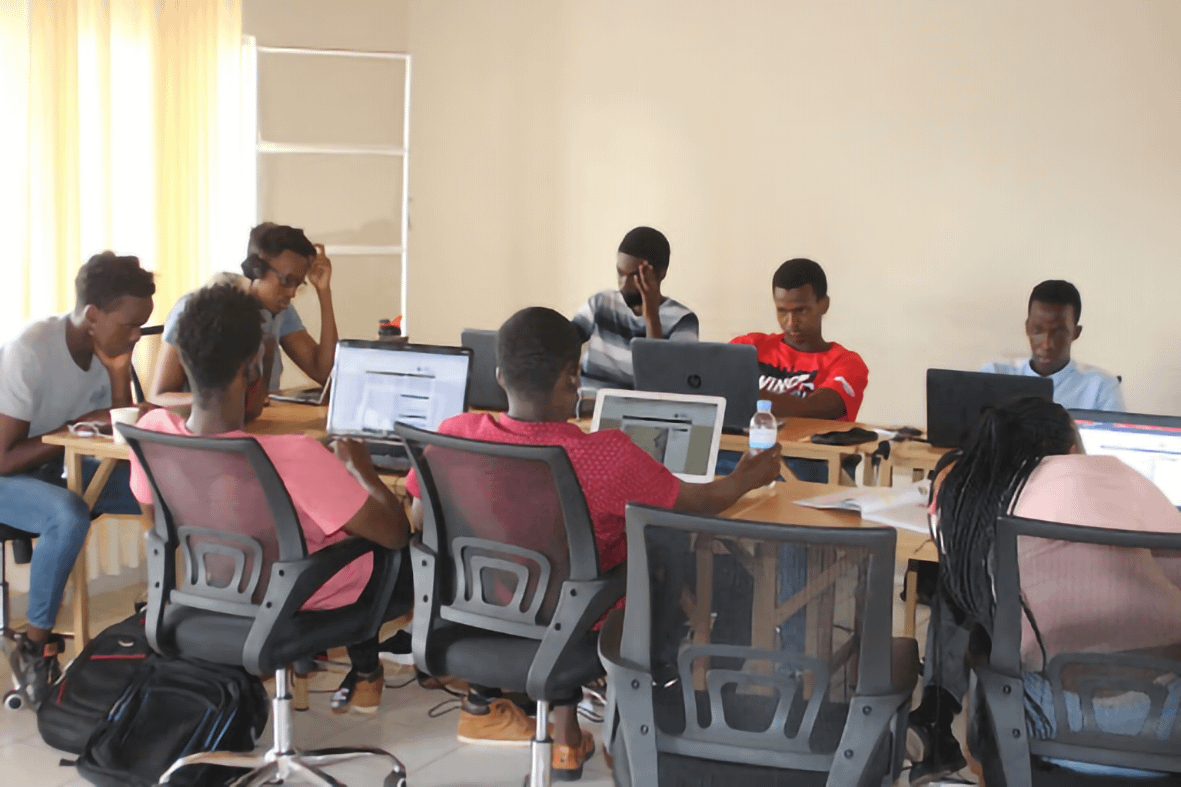
18 – Digital Skills Training (Karama)
30 – Mushroom Farming Preparations (Mageragere)
12 – Tailoring Training (Karama)
130 – Psychosocial Support (Mimuli)
After participating in the YATEC programs, youth demonstrate measurable improvements across multiple areas, translating the training and support into tangible, real-life benefits. Emotionally and psychologically, participants exhibit strengthened resilience, improved self-confidence, better emotional regulation, and a greater ability to cope with stress. They also show increased optimism about the future, enhanced mental health awareness, and access to both peer and professional psychosocial support.
At the community and capacity-building level, youth initiatives are better integrated into local development programs, fostering stronger engagement with authorities and community structures. This creates a supportive environment that encourages ongoing learning, growth, and ownership of projects.