YETEC: Poultry Farming in Mimuli, Sector, at Nyagatare District​

The Empowerment of Youth through Vocational Training and Entrepreneurship Coaching towards Job Creation (YETEC), implemented by Friends Effort to Support Youth (FESY), is a youth-centered initiative dedicated to empowering vulnerable young people through poultry farming as a sustainable livelihood pathway. The project targets youth and vulnerable households in IDP settlements and underserved rural communities, with a strong focus on Mimuli Sector, Nyagatare District.

Through practical, hands-on poultry farming training, combined with capacity building and psychosocial support, YETEC enables young people to generate income, improve household nutrition, and build long-term economic resilience. The project promotes self-reliance, entrepreneurship, and community-based development through modern poultry production.

The Project Overview

Strategic Opportunity and Rationale

Youth in Mimuli Sector face persistent challenges including high unemployment, limited access to market-relevant skills, poverty, and psychosocial vulnerability. Many young people, particularly young women and teenage mothers, are exposed to social risks such as gender-based violence, early pregnancy, and economic dependency due to limited livelihood options. Employment opportunities in the area are largely informal and low-productivity, with few structured pathways for youth to transition into sustainable income-generating activities.

The YETEC project responds to these challenges by introducing a holistic and market-oriented youth empowerment model that combines practical vocational training in poultry farming with entrepreneurship coaching, psychosocial support, and health and nutrition education. Poultry farming was selected based on its strong local demand, low entry barriers, and potential for quick income generation in rural settings such as Mimuli.

This project builds on FESY’s proven implementation experience and aligns with national priorities on youth employment, rural economic transformation, and inclusive development. It is critically needed at this time to reduce youth vulnerability, improve livelihoods, and promote productive engagement of young people in Mimuli Sector.

Target Group

The project targets 70 vulnerable youth aged 16–30 years in Mimuli Sector, Nyagatare District, with at least 60 percent being women and girls. Priority is given to teenage mothers, survivors of gender-based violence, youth from low-income households, and those with limited access to education and employment opportunities. The project applies an inclusive selection process guided by vulnerability criteria and the “Leave No One Behind” principle.

What's Included in our Programs?

The YETEC Program empowers vulnerable youth through vocational training, psychosocial support, and livelihood preparation.

Psychosocial Support and Life Skills Development

Recognizing that economic empowerment requires emotional and mental well-being, the program integrates psychosocial support throughout the training cycle.

Youth receive counseling, stress management guidance, and resilience-building support to help them overcome personal and social challenges. Peer support sessions promote confidence, teamwork, and positive decision-making.

This component is especially important for vulnerable youth, including teenage mothers and survivors of violence, enabling them to remain focused, motivated, and prepared to engage productively in livelihood activities.

Business Literacy and Entrepreneurship Coaching

Participants are trained in essential business and financial literacy skills to manage poultry farming as a sustainable enterprise.

The program covers entrepreneurship basics, budgeting, record keeping, pricing, savings, and reinvestment strategies.

Youth also receive coaching on business planning and market engagement, ensuring they understand how to operate within local value chains. This support helps participants move beyond subsistence farming toward income-generating agribusiness ventures.

Health, Nutrition Education,

The program promotes reproductive health and overall well-being by educating participants on healthy lifestyles, personal hygiene, nutrition, and responsible health practices that support physical and mental development.

Youth receive guidance on reproductive health awareness, including informed decision-making, prevention of early and unintended pregnancies, and access to appropriate health services.
This component is complemented by education on food safety, balanced diets, and the nutritional value of poultry products such as eggs and meat to support healthy growth and productivity.
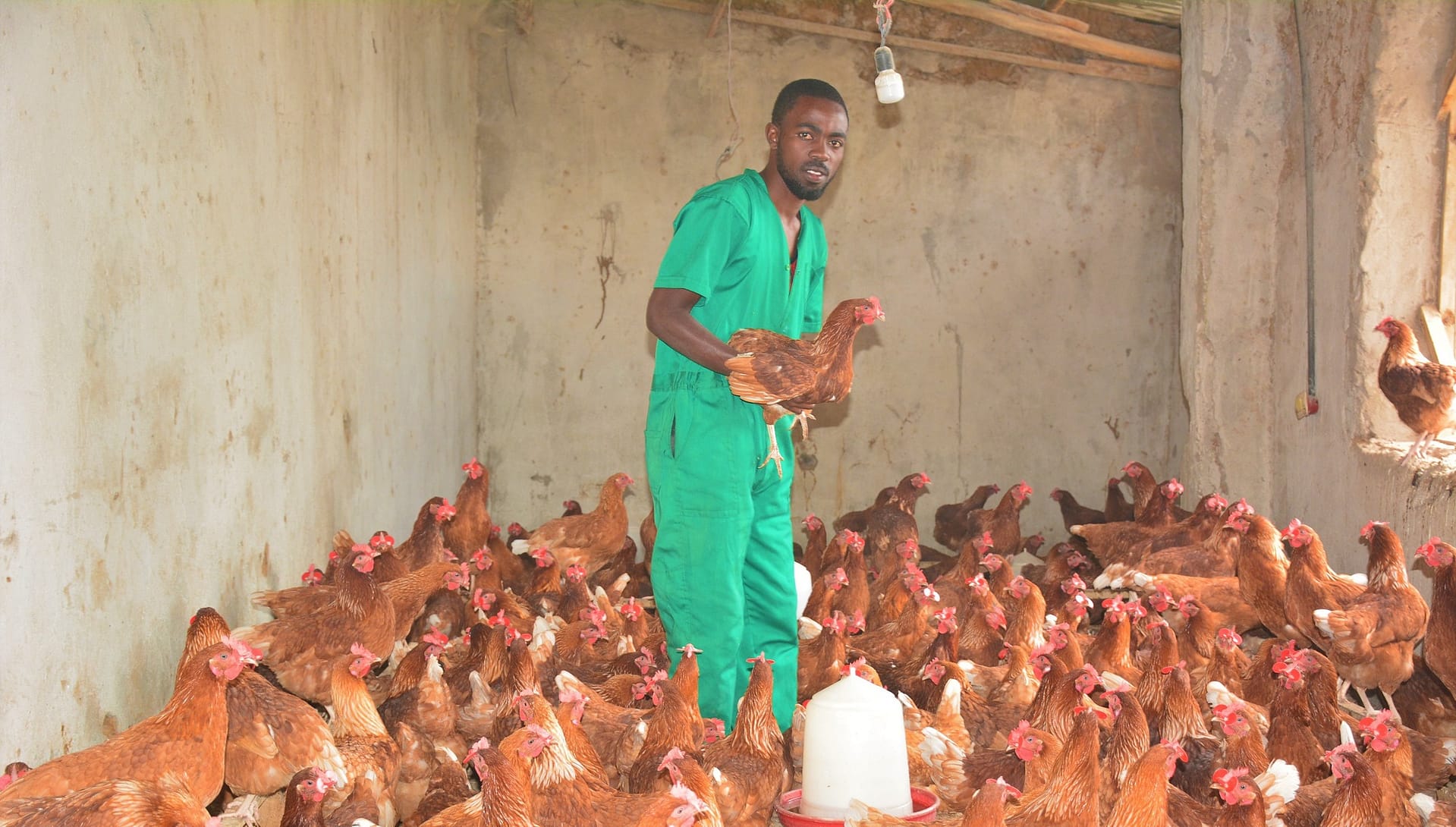
Poultry Farming

After completing the training components, participants are organized into structured groups and registered cooperatives to strengthen collaboration, accountability, and sustainability. These groups apply the knowledge and skills acquired throughout the program to jointly manage poultry production as an ongoing collective enterprise. As part of the startup support, the cooperatives are provided with approximately 4,000 chicks as productive startup capital. This support enables youth to immediately begin poultry production, apply best practices learned during training, and generate income at scale. The cooperative model promotes efficiency, shared responsibility, market access, and long-term business growth, ensuring that youth-led poultry enterprises remain viable, resilient, and sustainable.

Trainees’ Testimonials

Before joining the YETEC poultry training, I had never managed livestock. Now I can care for chickens, manage feeding and housing, and even sell eggs in the local market. I feel proud and capable of supporting my family.
Mutoni, 19 – Mimuli
The program has taught me not only how to farm chickens but also how to run a business. I now understand budgeting, record-keeping, and marketing, and I am confident that I can make poultry farming a steady source of income.
Uwamariya,
Through YETEC, I gained practical skills in poultry management and learned about health, nutrition, and teamwork. Being part of a cooperative has given me confidence and hope for the future, and I am already earning from the chickens provided by the program.
Bizimana, 28 – Karama:
Overall Outcomes

The YETEC Project in Mimuli Sector, Nyagatare District is bringing significant positive change for vulnerable youth. Through a combination of poultry farming training, business coaching, psychosocial support, and health education, participants are gaining skills and opportunities that improve their lives and communities.

Youth are earning income from poultry enterprises, which increases household financial stability and reduces reliance on informal or low-income work. They are learning practical skills in poultry management, business planning, record-keeping, and cooperative management, allowing them to run sustainable and profitable enterprises.

The project also improves nutrition and health by providing access to eggs and poultry meat, while teaching reproductive health, hygiene, and responsible lifestyle practices. Psychosocial support and cooperative work help youth build confidence, emotional resilience, teamwork, and leadership skills, enabling them to make better life decisions and actively contribute to their communities.

Through the cooperative model, youth work together, support each other, and create structures that can be replicated, strengthening community cohesion and long-term economic opportunities.

Overall, the project helps vulnerable youth in Mimuli move from being passive beneficiaries to active participants in their own development, achieving personal growth, sustainable livelihoods, and contributing positively to the local economy and community well-being.